
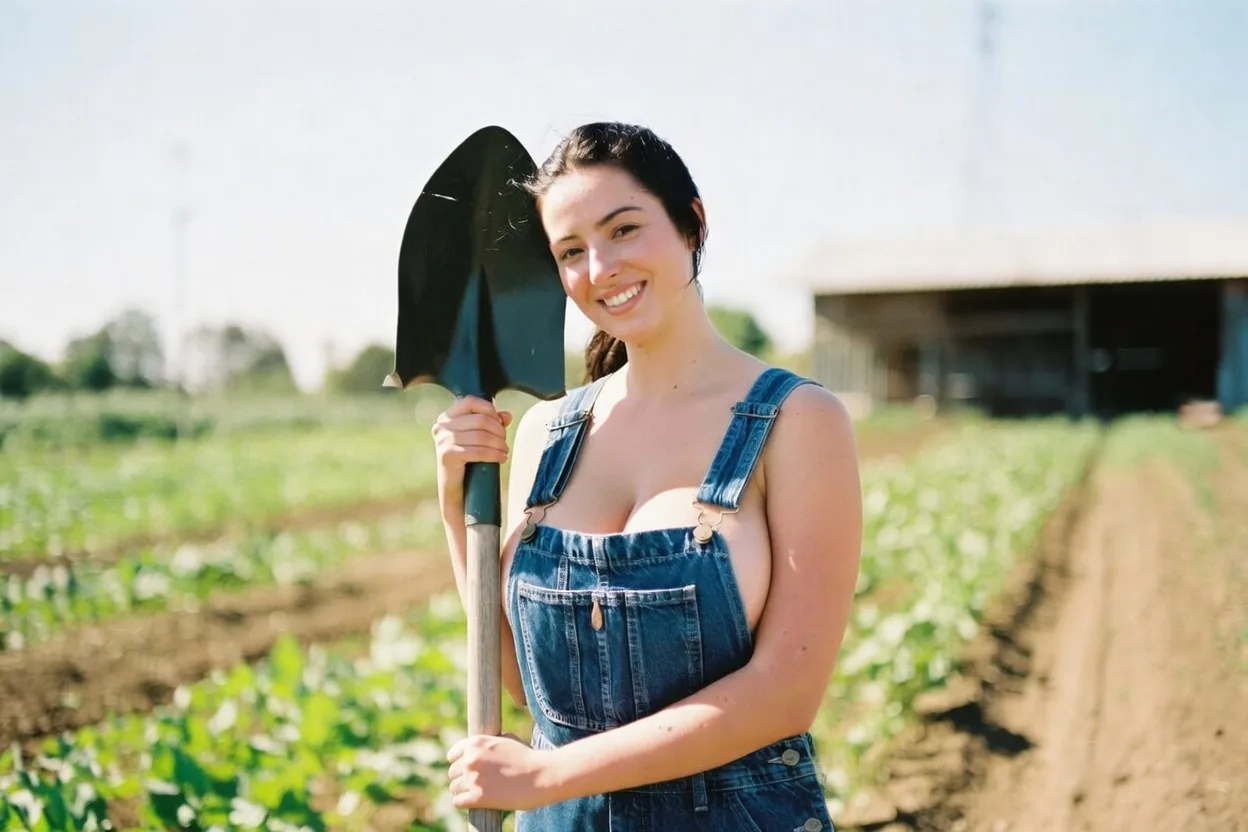
In an era of unprecedented fiscal volatility and shifting global trade dynamics, the modern high-net-worth (HNW) individual is moving beyond traditional equities and urban commercial real estate. The strategic pivot toward agricultural real estate represents a sophisticated play for wealth preservation, offering a hedge against inflation while tapping into the fundamental necessity of global food security.
The Longevity of Land: A Hedge Against Volatility
For men in the 35 to 65 demographic, investment strategies are increasingly driven by wealth preservation and long-term stability. Farmland has historically demonstrated a low correlation with the S&P 500, providing a “safe haven” during market contractions. Unlike tech stocks or crypto-assets, arable land is a finite resource with intrinsic utility, making it a cornerstone of a resilient capital strategy.
- Inflation Shielding: Agricultural land values and commodity prices typically rise in tandem with inflation, protecting the purchasing power of the investor’s capital over decades.
- Passive Income Streams: High-yield passive income is generated through sophisticated “triple-net” lease structures with industrial-scale farming operators, ensuring the investor retains the land’s appreciation while the tenant handles operational costs.
- Tax Optimization: Many jurisdictions offer favorable tax treatments for active agricultural use, allowing founders and executives to offset gains while building a multi-generational asset.
Integrating Wellness with Wealth
The modern executive does not view wealth in isolation from health; biohacking and physical longevity are seen as essential components of “peak performance”. This editorial pillar justifies the juxtaposition of dense financial analysis with high-quality, suggestive imagery.
As the reader navigates the technicalities of soil health and water rights, the visual strategy involves cinematic breaks featuring models in luxury high-rise office environments or high-status leisure settings. These visuals serve to prolong the session depth and provide a “scrolling reward” that maintains engagement during text-dense educational content.
The Future of Food: Technology Meets Tradition
The pivot to agriculture is also a tech play. From automated irrigation systems to satellite-monitored crop yields, the “remote executive suite” now extends to the management of thousands of acres of productive soil. This allows the HNW investor to balance high-stress global operations with the grounded, tangible nature of land ownership.
Executive Insight: “Farmland is the ultimate quiet asset. It doesn’t demand your attention every hour, but it works for you every second the sun is up.”
